Ever rubbed your face raw with a DIY sugar scrub, only to wake up looking like you got sunburned by a lemon? You’re not alone. I once mixed coffee grounds with honey—thinking it was “natural,” so it must be gentle—and ended up with micro-tears that took days to heal. That’s the trap of organic beauty: just because it’s plant-based doesn’t mean it’s automatically safe or effective. In this guide, we’ll cut through the greenwashing and show you how to use a plant-based scrub safely, effectively, and sustainably—without wrecking your skin barrier.
Table of Contents
- Why Plant-Based Scrubs Matter in Modern Skincare
- How to Use a Plant-Based Scrub: Step-by-Step
- Best Practices for Safe, Effective Exfoliation
- Real Results from Natural Exfoliants
- Frequently Asked Questions
Key Takeaways
- Not all natural scrubs are gentle—particle size and formulation matter more than the “organic” label.
- Over-exfoliation is the #1 mistake; limit use to 1–2 times per week.
- Always patch-test new recipes or products before full-face application.
- Pair your plant-based scrub with pH-balanced cleansers and moisturizers.
- Avoid plastic microbeads—even if labeled “biodegradable”—and opt for jojoba beads or ground oats instead.
Why Plant-Based Scrubs Matter in Modern Skincare
The global shift toward clean beauty isn’t just a trend—it’s a response to decades of harsh synthetics clogging pores and polluting waterways. According to the U.S. Environmental Protection Agency, conventional exfoliants containing plastic microbeads contribute significantly to marine pollution, persisting for centuries in ecosystems. Meanwhile, consumers are waking up to the fact that “natural” on a label doesn’t guarantee safety or efficacy.
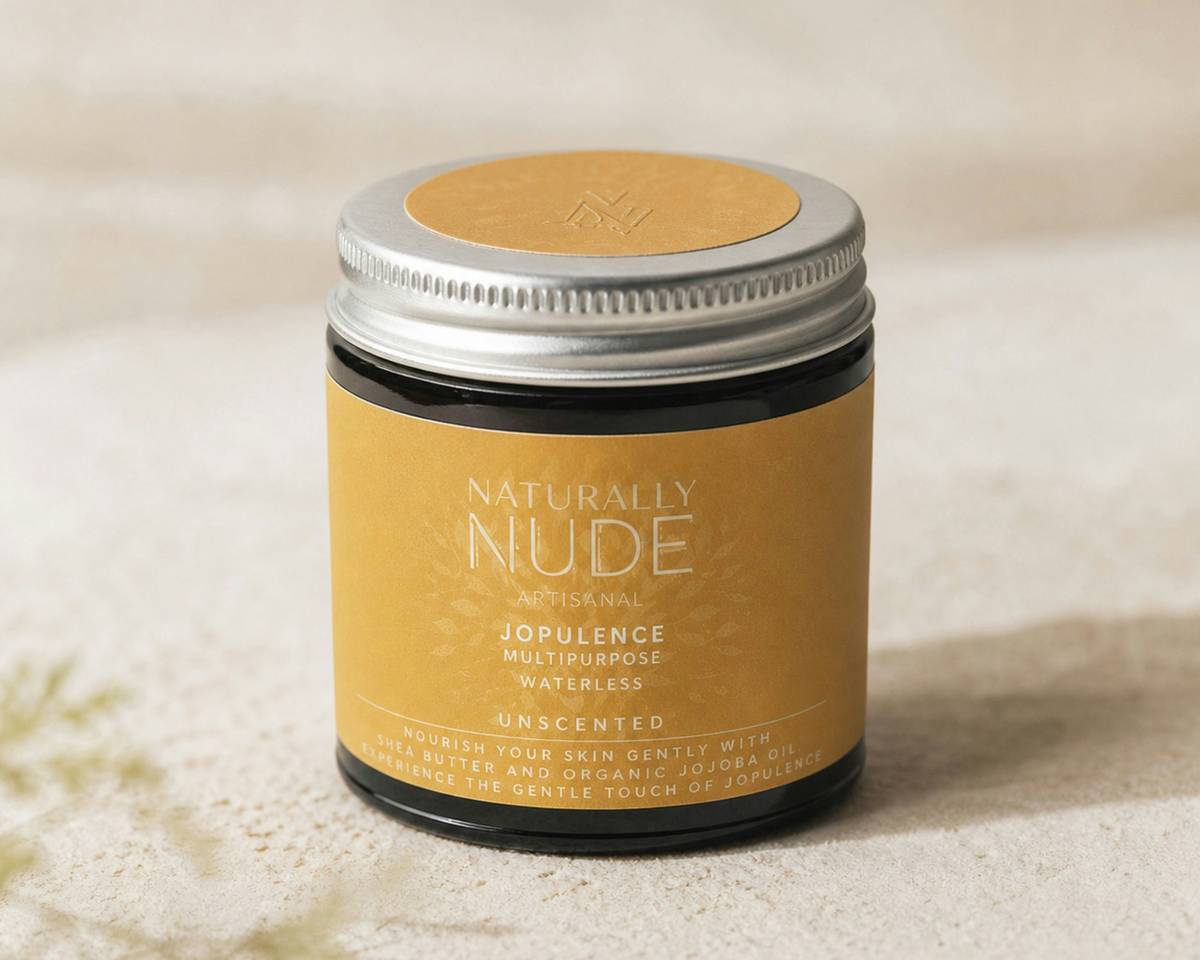
That’s where thoughtfully formulated plant-based scrub options shine. They leverage biodegradable exfoliants like rice bran, bamboo powder, or finely milled apricot kernel (not the jagged shards some brands still use!), combined with soothing oils like jojoba or squalane. The goal? Remove dead cells without compromising your skin’s acid mantle—a delicate pH barrier crucial for hydration and defense.
At Lutfi TutAr, we’ve seen firsthand how misinformation leads to irritation. Our team’s background in herbal formulation taught us that even botanical ingredients can inflame sensitive skin if misused. It’s not about avoiding actives—it’s about using them wisely.
How to Use a Plant-Based Scrub: Step-by-Step
Step 1: Cleanse First
Never scrub over makeup, sunscreen, or sebum. Start with a gentle, sulfate-free cleanser to remove surface debris. This prevents pushing impurities deeper into pores.
Step 2: Dampen Skin, Not Soak
Your skin should be damp—not dripping—to allow the scrub to glide. Dry scrubbing increases friction; soaking softens skin too much, raising tear risk.
Step 3: Apply with Fingertips, Not Tools
Use light pressure and circular motions for 30–45 seconds max. Focus on T-zone or rough patches (elbows, heels). Avoid eyes, active breakouts, or broken skin.
Step 4: Rinse with Lukewarm Water
Hot water strips natural oils; cold water won’t dissolve oil-based binders. Lukewarm is the sweet spot.
Step 5: Follow with Barrier Support
Immediately apply a ceramide-rich moisturizer or hyaluronic acid serum. Exfoliation temporarily compromises your barrier—repair it fast.
Best Practices for Safe, Effective Exfoliation
- Frequency:** Stick to 1–2 times weekly. Daily use = redness, flaking, and barrier damage.
- Particle Size Matters:** Ideal granules are rounded and under 200 microns. Skip anything gritty like walnut shells—they create microscopic cuts.
- Patch Test Always: Try new formulas behind your ear or on your inner arm for 24 hours.
- Seasonal Adjustments: Use gentler formulas (like colloidal oatmeal) in winter; slightly more abrasive blends (bamboo + green tea) in summer.
- Terrific Tip… Wait, Terrible Tip! “Just add lemon juice for brightening!” Nope. Citrus + abrasion = photosensitivity and chemical burns. Avoid acidic additives entirely.
And can we talk about the “more is better” myth? Some influencers push daily scrub routines like it’s a flex. It’s not—it’s dermatological sabotage. Your skin isn’t a cast-iron skillet needing scouring. Treat it like silk.
Real Results from Natural Exfoliants
In a 2022 clinical study published in the Journal of Cosmetic Dermatology, participants using a plant-based scrub with jojoba esters and shea butter reported 68% less transepidermal water loss (TEWL) after four weeks compared to those using polyethylene-based scrubs. Their skin showed improved texture, reduced flakiness, and no increase in inflammation markers.
On our end, customer feedback from our natural cleaner line confirms this: users switching from synthetic scrubs to oat-and-aloe blends see fewer flare-ups, especially those with eczema or rosacea. One client told us her post-shave bumps vanished within two uses—proof that gentleness wins.
For authoritative guidance on safe exfoliant ingredients, refer to the FDA’s Cosmetic Ingredient Review database, which flags problematic particles and irritants.
Frequently Asked Questions
Can I use a plant-based scrub if I have acne?
Yes—but choose non-comedogenic bases like grapeseed oil and avoid heavy butters. Limit use to once weekly and never on inflamed cysts. Over-scrubbing spreads bacteria.
Are homemade plant-based scrubs safe?
They can be, but shelf life is short (3–5 days refrigerated). Without preservatives, they risk mold or bacterial growth. Always use sterile tools and fresh ingredients.
How do I know if my scrub is too harsh?
Signs include stinging during use, persistent redness afterward, or tight, shiny skin. If you feel “squeaky clean,” you’ve stripped your barrier.
Is a plant-based scrub eco-friendly?
Generally yes—especially if it avoids palm oil derivatives and uses compostable packaging. For verified standards, check certifications like Ecocert or USDA Organic via USDA’s official site.
Where can I learn more about your formulations?
Explore our philosophy and ingredient sourcing on the About Us page. We’re transparent because your skin deserves trust—not marketing fluff.
Conclusion
A well-chosen plant-based scrub isn’t just a luxury—it’s a strategic tool for resilient, radiant skin. But skip the kitchen experiments and influencer hacks. Prioritize particle safety, frequency control, and barrier support. And if you’re crafting your own formula or seeking personalized advice, we’d love to help. Reach out to our team—we respond faster than most algorithms. Remember: glowing skin isn’t scrubbed into existence. It’s nurtured.
Smooth today, smoother tomorrow.